
 By
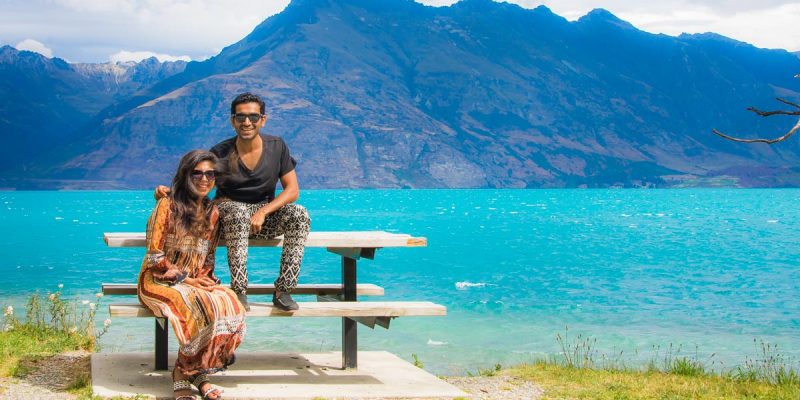
Road trips in New Zealand have a different feel to them. Distances are shorter than overseas, but the roads are slower, the scenery changes constantly, and plans have a habit of unraveling in the best possible way.
A two-hour drive can turn into a half-day adventure if you let it. And that’s exactly why road trips here are so special — and why they can also feel oddly stressful if you overthink them.
I’ve done my fair share of trips that started with good intentions and ended with frayed nerves. Overpacked cars. Rushed schedules. That quiet irritation that creeps in when everything feels harder than it needs to be.
The low-stress trips — the ones you remember fondly — usually follow a different rhythm. They’re flexible. Lightly planned. Built around experiences instead of logistics.
Here’s how to plan an outdoor road trip around New Zealand that actually feels like time off.
Start With a Direction, Not a Detailed Itinerary
New Zealand punishes rigid plans. Weather shifts. Roads close. A place you thought you’d breeze through ends up being somewhere you want to linger.
Instead of planning hour-by-hour, pick a direction and a few loose anchors: a national park, a stretch of coast, a region you haven’t explored properly yet.
Once you’ve done that, leave room in between. That space is where the best moments usually live — an unplanned walk, a quiet campsite, a trail someone casually mentions at a petrol station.
This approach also changes how you pack. When your trip allows for spontaneity, you bring gear that opens options instead of locking you into one plan. Bikes are a great example. Having them along, and an easy way to transport them using proper bike racks, means you can stop when a cycle trail or gravel road appears instead of driving straight past and thinking, next time.
Plan Around Possibilities, Not Highlights
New Zealand doesn’t need hype. You don’t have to chase the “top ten” list to have a good trip.
Some of the most memorable outdoor experiences happen:
- On DOC tracks you’ve never heard of
- Along quiet back roads
- Near towns you weren’t planning to stop in
The Department of Conservation makes it easy to discover tracks, campsites, and conservation areas that don’t get the same attention as the headline spots:
When you think in terms of possibilities instead of must-see highlights, pressure drops away. You’re not trying to “win” the trip — you’re letting it unfold.
Pack Gear That Makes Detours Easy
Overpacking is one of the fastest ways to make a road trip stressful. Under-packing isn’t much better.
The sweet spot is gear that’s:
- Easy to access
- Quick to pack and unpack
- Useful in more than one scenario
Think bikes, a daypack, layers, decent walking shoes, and a small cooler. Not everything you own — just enough to say yes when something looks interesting.
If you want a genuinely practical take on road-trip preparation, AA New Zealand has a straightforward guide focused on safety and comfort.
When packing feels simple, leaving the car feels easier too.
Respect the Reality of NZ Roads
One thing visitors don’t always realise — and locals sometimes forget — is that New Zealand roads take more out of you than the distance suggests.
Narrow lanes. Windy sections. Slower speeds. Long stretches with limited services.
Trying to “push through” to cover ground usually backfires. Fatigue creeps in. Tempers shorten. The trip stops feeling relaxing.
Build in buffer time. Take breaks. Stop even when you don’t strictly need to. Those pauses often become highlights rather than delays.
Let the Drive Be Part of the Experience
Somewhere along the way, we decided driving was something to endure rather than enjoy.
That’s a shame — especially here.
New Zealand’s scenery isn’t just something you arrive at. It’s something you move through. Mountain passes. Coastal roads. Long valleys that quietly reset your perspective.
Slow down when you can. Pull over at lookouts. Take the road that looks slightly less efficient but far more interesting.
Those moments don’t show up on itineraries, but they’re often what you remember.
Build Comfort Into the End of the Day
Outdoor days are better when the evening doesn’t feel like another challenge.
A few small things help:
- Clean clothes you can reach without unpacking everything
- Slip-on shoes for tired feet
- Simple food options that don’t require a full setup every night
- Enough space in the vehicle that nothing feels jammed
Comfort doesn’t reduce adventure. It makes it repeatable — especially if you’re travelling for more than a night or two.
Be Ready to Change the Plan (And Be Okay With That)
Some of the best road trips I’ve taken barely resembled the original plan by day two.
Weather turned. Someone was more tired than expected. A local recommended something better than what we’d planned.
When you’ve invested less energy into forcing a schedule, changing course feels easy. You don’t feel like you’re “wasting” the trip — you’re just adapting.
That flexibility matters in a place where conditions can change quickly.
Outdoor Time Hits Different Here
There’s something about outdoor time in New Zealand that feels grounding. Maybe it’s the scale. Maybe it’s the quiet. Maybe it’s just the space to think without constant noise.
The Mental Health Foundation of New Zealand consistently highlights the benefits of time outdoors for wellbeing and stress reduction.
You don’t need to frame it as self-care for it to work. You just need to be there.
Why Low-Stress Trips Happen More Often Than Big Ones
Big, once-a-year adventures are great. But they’re not what shape habits.
Low-stress trips — the ones that feel easy to repeat — are what quietly improve quality of life. They happen more often. They fit into real schedules. They don’t require weeks of planning.
When logistics are simple, you say yes more often. When gear is easy to manage, you don’t talk yourself out of going.
That’s how outdoor time becomes part of your life instead of an occasional event.
What Actually Makes a Road Trip Feel Successful
It’s rarely about how much you saw or how far you went.
A good road trip usually ends with:
- Feeling calmer than when you left
- A sense of having been present
- A few moments you didn’t plan for
- Energy left for the week ahead
That doesn’t happen by accident. It happens when you remove friction, loosen expectations, and let the road do some of the work.
Why This Approach Works Long-Term
Trends come and go. Travel styles change. But the principle stays the same.
The easier it is to get outside, the more often you will.
Simple plans. Flexible days. Gear setups that don’t demand attention.
In a country like New Zealand — where incredible places are never that far away — low-stress road trips aren’t just possible. They’re the smartest way to explore.
And once you experience a few of them, it’s hard to go back to travelling any other way.








Comments