
 By
By 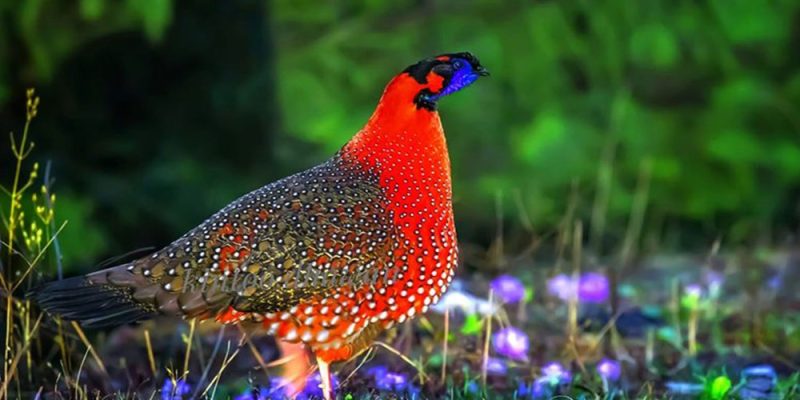
Do you dream of a Bhutan travel experience? A journey filled with mountains, monasteries, and landscapes that feel untouched? There is so much to discover in this Himalayan kingdom—but today, let’s slow things down and focus on something more discreet, yet incredibly rewarding: birds.
Because in Bhutan, birdwatching is not just an activity. It’s a way to experience the country differently. More quietly. More attentively. And often, more deeply.
With over 770 recorded species and ecosystems ranging from subtropical jungles to alpine highlands, Bhutan has become one of the most fascinating destinations in Asia for bird lovers. But even for those who are not dedicated birdwatchers, it offers something rare: the chance to observe nature in a place where it still feels intact.
Why Birdwatching in Bhutan Feels Different
In many destinations, birding is about ticking species off a list. In Bhutan, it’s something else entirely.
Here, forests are not fragmented. Valleys are not overcrowded. And wildlife still moves through landscapes that haven’t been reshaped by mass tourism. More than 70% of the country is covered in forest, and a large part of it is protected.
This creates a very particular atmosphere. You don’t just “go birdwatching”—you walk through silent trails, you listen, you wait, and slowly, the environment reveals itself.
You might spot a Himalayan monal flashing colors in the morning light, hear the distant call of a tragopan deep in the forest, or watch black-necked cranes glide across a misty valley. These moments are rarely rushed—and that’s exactly the point.
Where to Experience the Best of a Bhutan Birding Tour
One of the advantages of Bhutan is how quickly landscapes change. Within a few hours, you can move from warm lowlands to cool mountain forests, each with its own birdlife and atmosphere.
Phobjikha Valley
This wide, glacial valley is one of the most iconic birding locations in the country. In winter, it becomes home to the black-necked crane, a species that holds deep cultural significance in Bhutan.
But beyond the cranes, what makes Phobjikha special is its sense of space. It’s quiet, open, and almost minimalist—a place where observation feels natural and unforced.
Bumthang
Further east, Bumthang offers a softer landscape of forests, rivers, and traditional villages. Birding here often blends seamlessly with cultural exploration, as trails pass near monasteries and rural homes.
It’s the kind of place where a morning walk can turn into both a wildlife experience and a glimpse into everyday Bhutanese life.
Royal Manas National Park
In the south, the environment changes completely. Warmer temperatures and dense vegetation create ideal conditions for a wide variety of species rarely seen at higher altitudes.
This is where birding becomes more intense, more diverse, and sometimes more unpredictable—in the best way.
Eastern Bhutan
Less visited and more remote, eastern regions like Mongar or Trashigang offer a more exploratory approach to birding. Fewer travelers make it here, which means quieter trails and a stronger sense of discovery.
It’s not about famous spots—it’s about being present in places that still feel largely untouched.
More Than Just Birdwatching
What makes a Bhutan birding tour truly special is that it never feels isolated from the rest of the journey.
Birdwatching naturally fits into a broader rhythm. Early mornings in the forest are followed by visits to monasteries, drives through mountain passes, or simple moments spent in villages. Nothing feels rushed or overly structured.
Even if birds are the starting point, they quickly become part of a larger experience—one that includes landscapes, people, and a different way of traveling.
And for many travelers, that balance is what makes the journey memorable.
When Is the Best Time to Go?
Bhutan can be visited throughout the year, but certain seasons offer better conditions for birdwatching.
- Spring (March to May) is one of the most rewarding periods. Birds are active, forests are vibrant, and visibility is excellent.
- Autumn (September to November) offers clear skies and stable weather, making it ideal for combining birding with trekking and photography.
- Winter (December to February) is quieter but particularly interesting for spotting migratory species such as black-necked cranes.
- Summer (June to August), despite the monsoon, can still be appealing for those who enjoy lush landscapes and fewer visitors.
Each season brings a different mood—and part of the experience is choosing what kind of atmosphere you’re looking for.
The Role of Local Guides
Birdwatching in Bhutan is not something you do alone. Or at least, not in the same way you might elsewhere.
Local guides play a key role—not just in spotting birds, but in understanding their behavior, their habitat, and their place within the environment.
They also bring something less tangible: context. Stories, local knowledge, and a way of reading the landscape that transforms simple sightings into something more meaningful.
This human element is often what elevates the experience.
A Slower Way to Travel
One of the things you notice quickly in Bhutan is the pace. Or rather, the absence of urgency.
Birdwatching fits perfectly into this rhythm. It encourages patience, attention, and a certain openness to the unexpected.
You don’t control the experience—you follow it.
And in doing so, you start to see things differently. Not just birds, but landscapes, details, and moments that might otherwise go unnoticed.
Why It Stays With You
A Bhutan birding tour is not about intensity or performance. It’s not about seeing the most in the shortest time.
It’s about presence.
About walking through forests where the only sounds are wind and distant calls. About noticing small movements, subtle colors, fleeting moments.
And often, it’s these quiet experiences that stay with you the longest.
Conclusion: A Different Perspective on Bhutan
There are many ways to discover Bhutan. Through its monasteries, its landscapes, its culture.
But birdwatching offers something slightly different. A more subtle entry point into the country—one that invites you to slow down and observe rather than simply move from place to place.
Whether you come specifically for the birds or simply remain curious along the way, it’s an experience that tends to reshape how you see the journey itself.
And that might be the most valuable part of all.






Comments