
 By
By 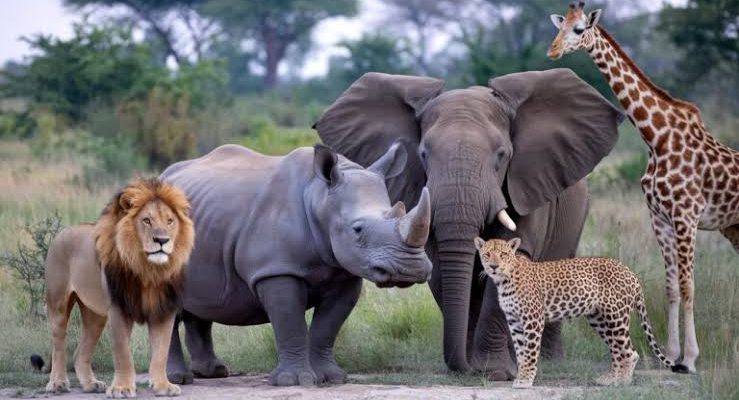
A big five safari is one of the most exciting wildlife experiences in the world. For many travelers, seeing Africa’s lion, leopard, elephant, rhinoceros, and Cape buffalo in their natural habitat is the ultimate safari dream. These five animals are known as the “Big Five,” a term that originally came from big-game hunting and referred to the animals considered most difficult and dangerous to track on foot. Today, however, the meaning has changed. A big five safari is no longer about hunting; it is about conservation, photography, responsible tourism, and unforgettable encounters with Africa’s most iconic wildlife. The Big Five animals are widely recognized as the lion, leopard, African elephant, rhinoceros, and Cape buffalo.
Whether you are planning your first African safari or comparing destinations for a luxury wildlife trip, this guide will help you understand what makes a big five safari special, where to go, what to expect, and how to increase your chances of seeing these legendary animals.
What Is a Big Five Safari?
A big five safari is a wildlife tour focused on seeing the five most famous safari animals in Africa: lion, leopard, elephant, rhino, and Cape buffalo. These animals are not grouped together because they are the largest animals in Africa. Instead, the phrase came from the historical difficulty of tracking them. Over time, the idea transformed into a modern wildlife travel goal, and today many safari lovers use the Big Five as a checklist for their African adventure.
However, a successful big five safari is about much more than simply ticking animals off a list. It is about observing wildlife behavior, understanding ecosystems, and appreciating the landscapes that support these animals. For example, lions may be seen resting in the shade during the heat of the day, while leopards are often more elusive and may appear in trees or rocky areas. Elephants move in family groups and often gather near water, while buffalo are commonly seen in large herds. Rhinos, depending on the species and location, may require more patience because many populations are carefully protected due to poaching threats.
The best big five safari experiences are guided by expert rangers who understand animal tracks, seasonal movement, and local habitats. A good guide can turn a simple game drive into an educational journey by explaining predator behavior, bird calls, territorial markings, and the importance of conservation. As a result, travelers gain a deeper appreciation for the African wilderness rather than seeing it as a quick photo opportunity.
A big five safari can take place in national parks, private game reserves, conservancies, and wilderness areas across several African countries. South Africa, Kenya, Tanzania, Botswana, Namibia, Zambia, and Zimbabwe are among the most popular safari destinations. Some parks offer very high chances of seeing all five animals, while others provide a more remote and natural experience where sightings may require extra time and patience.
Meet the Big Five Safari Animals
The lion is often considered the star of a big five safari because of its power, social behavior, and dramatic presence. Lions live in prides and are often seen resting, hunting, or interacting with cubs. Although they are strong predators, they spend much of the day sleeping, especially in hot weather. Early morning and late afternoon game drives usually offer the best chance to see lions active.
The leopard is usually the hardest Big Five animal to spot. Unlike lions, leopards are solitary, secretive, and excellent at hiding. They often rest in trees, rocky outcrops, or thick bush. Seeing a leopard on a big five safari is a special moment because it often requires sharp eyes, patience, and a skilled guide. Leopards are also powerful climbers and may drag prey into trees to protect it from scavengers.
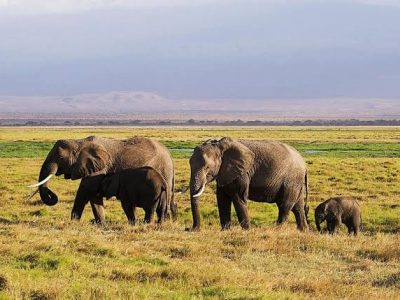
The African elephant is the largest land animal and one of the most emotional sightings on any big five safari. Elephants are intelligent, social, and deeply family-oriented. Watching a herd move together, protect its young, or gather around a waterhole is one of the most memorable safari experiences. They also play an important role in shaping landscapes by opening paths, spreading seeds, and creating water access for other animals.
The rhinoceros is one of the most protected animals in Africa. Both black rhinos and white rhinos may be included in a big five safari, depending on the destination. White rhinos are usually more social and often graze in open areas, while black rhinos are more solitary and prefer thicker vegetation. Because rhinos remain threatened by poaching, many safari areas keep their locations carefully managed and monitored.
The Cape buffalo may look less glamorous than a lion or leopard, but it is one of Africa’s most powerful and unpredictable animals. Buffalo often move in large herds and are known for their strength and defensive behavior. On a big five safari, seeing a large herd of buffalo crossing open plains or gathering near water can be impressive. They are also important prey for lions, which makes buffalo sightings especially interesting in predator-rich areas.
Best Places for a Big Five Safari in Africa
Choosing the right destination is one of the most important parts of planning a big five safari. Some parks are famous for reliable sightings, while others are better for remote wilderness, luxury lodges, or photography. South Africa’s Greater Kruger region is often considered one of the most accessible and reliable places for a big five safari. Kruger National Park and nearby private reserves offer strong chances of seeing all five animals, especially with experienced guides. Several safari operators also highlight Kruger as one of the most dependable Big Five destinations.
Kenya’s Maasai Mara is another world-class safari destination. It is famous for big cats, open savanna landscapes, and seasonal wildlife movement. While rhino sightings may be less common in some areas, the Mara remains one of the most exciting places for lions, leopards, elephants, and buffalo. Tanzania’s Serengeti National Park is also a legendary destination, known for vast plains, predator action, and the Great Migration. A Serengeti big five safari can be combined with Ngorongoro Crater, where wildlife density is high and rhino sightings may be possible.
Botswana offers a different kind of safari experience. Areas such as the Okavango Delta and Chobe region are known for elephants, predators, wetlands, and high-quality wilderness experiences. Botswana is often associated with lower-volume, high-value tourism, which can mean fewer crowds and more intimate wildlife encounters.
Namibia’s Etosha National Park is excellent for waterhole-based wildlife viewing, especially during dry months. While it is not always the classic Big Five destination because buffalo are absent from Etosha, it remains a fantastic place to see elephants, lions, rhinos, and many other species. Zimbabwe’s Hwange National Park and Zambia’s South Luangwa also offer excellent safari experiences, though travelers should check which Big Five animals are present in each specific region before booking.
Ultimately, the best big five safari destination depends on your travel style. First-time visitors who want convenience and high sighting potential may prefer South Africa. Travelers who want dramatic savanna landscapes may choose Kenya or Tanzania. Those seeking exclusivity and wilderness may prefer Botswana. The key is to match your expectations with the right park, season, budget, and safari style.
Best Time to Go on a Big Five Safari
The best time for a big five safari often depends on the country, park, and type of wildlife experience you want. In many safari regions, the dry season is considered the best time for game viewing because animals gather near rivers, waterholes, and remaining water sources. Vegetation is also thinner, making it easier to spot wildlife. This is why many travelers choose the dry months for their first big five safari.
In East Africa, the dry seasons often provide excellent wildlife viewing, especially in Kenya and Tanzania. The Great Migration also influences travel timing in areas like the Serengeti and Maasai Mara. However, migration timing can vary depending on rainfall, so travelers should plan carefully with a reputable safari expert. In Southern Africa, dry-season game viewing is especially strong in destinations such as Kruger, Chobe, Hwange, and Etosha.
That said, the green season should not be ignored. During rainy months, landscapes become lush, many animals give birth, birdlife is excellent, and prices may be lower. A green-season big five safari can be beautiful for photography because of dramatic skies, fresh vegetation, and fewer vehicles in some areas. The trade-off is that wildlife can be more spread out, and thick vegetation may make sightings more challenging.
For photographers, early mornings and late afternoons are usually the best times for game drives. The light is softer, temperatures are cooler, and animals are often more active. Midday can still be useful for spotting elephants at water or big cats resting, but the most exciting action often happens near sunrise and sunset.
Before booking a big five safari, consider your priorities. Do you want the highest chance of seeing all five animals? Do you want fewer crowds? Do you want migration drama, luxury lodges, walking safaris, or family-friendly camps? Answering these questions will help you choose the right season and destination.
How to Plan a Big Five Safari
Planning a big five safari starts with choosing the right country and safari style. Budget travelers may prefer self-drive options in parks like Kruger, while those seeking comfort may choose guided lodge safaris. Luxury travelers may prefer private reserves, fly-in camps, and customized itineraries. Each option has advantages, but guided safaris usually provide better interpretation, safer experiences, and stronger wildlife tracking.
Your itinerary should allow enough time. While it is possible to see several Big Five animals in one or two days, a rushed trip can feel stressful. Ideally, plan at least three to five nights in a strong safari area. This gives you multiple game drives and increases your chances of seeing elusive animals like leopard and rhino. If your budget allows, combining two different areas can improve variety and wildlife opportunities.
Packing also matters. Bring neutral-colored clothing, a hat, sunglasses, sunscreen, insect repellent, comfortable shoes, and a light jacket for early morning drives. A camera with a zoom lens or a good pair of binoculars can greatly improve your big five safari experience. However, do not spend the entire trip behind a camera. Some of the best safari memories come from simply watching and listening.
Responsible behavior is essential. Always follow guide instructions, stay inside the vehicle unless told otherwise, keep noise low, and never pressure guides to get too close to animals. A responsible big five safari respects wildlife space and supports conservation. Choose operators that work with local communities, follow ethical wildlife practices, and contribute to habitat protection.
A big five safari can be life-changing, but expectations should remain realistic. Nature does not operate on a schedule. Some days may bring dramatic sightings, while others may be quiet. That unpredictability is part of what makes safari travel so powerful.
FAQs About Big Five Safari
What animals are included in a big five safari?
A big five safari focuses on five animals: lion, leopard, African elephant, rhinoceros, and Cape buffalo. These animals are considered Africa’s most iconic safari species.
Which country is best for a big five safari?
South Africa is one of the most reliable choices, especially the Greater Kruger area. Kenya, Tanzania, Botswana, Zimbabwe, and some private reserves in other countries also offer excellent big five safari experiences.
Can you see all Big Five animals in one trip?
Yes, it is possible to see all five animals in one trip, especially in strong Big Five destinations. However, sightings are never guaranteed because animals move naturally in wild habitats.
How many days do you need for a big five safari?
A good big five safari usually requires at least three to five nights. More time gives you better chances of seeing elusive animals, especially leopard and rhino.
Is a big five safari safe?
Yes, a big five safari is generally safe when guided by professionals and when travelers follow rules. Always listen to your guide, stay inside the vehicle, and avoid risky behavior around wildlife.
Conclusion
A big five safari is one of the most unforgettable ways to experience Africa’s wild beauty. From the roar of a lion to the quiet movement of a leopard, the power of an elephant herd, the rare sight of a rhino, and the strength of Cape buffalo, each animal offers a different kind of wonder. However, the true value of a big five safari goes beyond sightings. It teaches patience, respect for nature, and the importance of protecting wildlife for future generations.
By choosing the right destination, traveling in the right season, booking with responsible operators, and allowing enough time in the wilderness, you can create a safari experience that is both exciting and meaningful. Whether you are visiting South Africa, Kenya, Tanzania, Botswana, or another safari destination, a well-planned big five safari can become one of the greatest adventures of your life.





Comments